
Dear John
'Dear John' is always an ominous opening to a letter; and so indeed it is now.

You wrote in Saturday's National on how the SNP can regain 'our' trust. To whom your message is addressed is not entirely clear, but given the readership of The National I am going to suppose you are addressing, not the kitchen cabinet of the SNP, but the Yes movement as a whole. And if that is so, then this is not enough.
Rania's story
In Scotland, we have not seen war in eighty years. It's very distant from us. It's hard for us to relate to the experience of war — we have nothing in our lives to which we can compare it. But the people whose lives are torn apart by war are people just like us, ordinary people, who, before war came, had ordinary lives and ordinary hopes; and now live in hunger and fear among ruins.
We cannot, as ordinary individuals, end wars. All we can do is to put pressure on our governments to put pressure on those who make war to end them. But unless we understand something of the suffering of the people whose lives are affected by war, we won't do this. So I have decided that, over the next few weeks, I am going to invite people from war zones — initially from Gaza, because that is where I am at present in touch with people affected by war — to tell their stories through my blog.
All of these people have been interviewed by the volunteers of Gaza Verified. We know for certain that they are in Gaza, and seen the conditions under which they live. Like everyone in Gaza, they are hungry, and, like most, they have lost everything. All of them need money. I will put their individual giving links at the end of each story.
Correspondence with a friend in Gaza
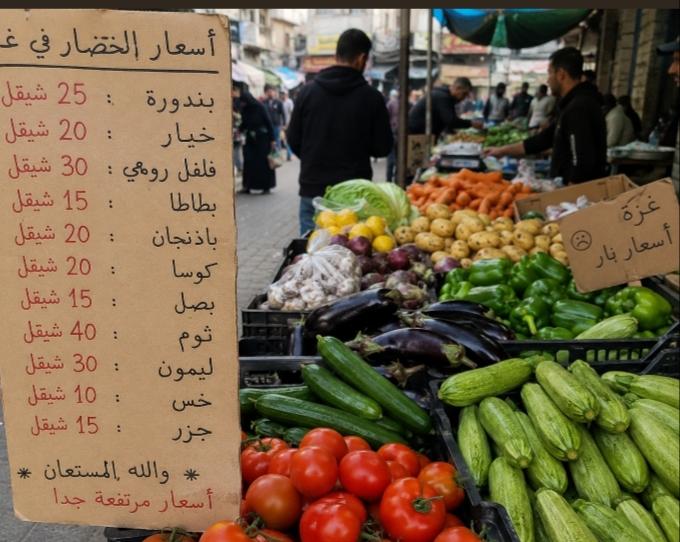
Today I received this message from a friend in Gaza:
Hello Simon, I appreciate your engagement and interest in our posts, and I'm very happy about that🤍🕊️ I truly see a significant impact when you share and interact with my posts, so I always strive to support you. I wanted to consult with you on the best way to convey our struggles, needs, and ideas to the public, as you have a large following on your account, which is a valuable asset✨
Thoughts on trauma, autism and depression
Multiple content warnings: autism, depression, traumatic injury
I spent most of Saturday at an in person, hands on, outdoor first aid course, although I knew I was probably in too poor a state of mental health to complete the course. I booked on the course before the start of my present depressive episode; because I've been in a chaotic state I hadn't cancelled it; and when my diary reminded me on Friday I felt that it would be useful to attend, partly as a challenge to and test of just how fragile my mental state is, and partly because what I would learn would be useful.
This isn't the first first aid course I've done by any means, but it was certainly the best taught and most intensive, and I did learn a lot.
AGI Will Not Have a Lizard Brain
Rejoice, for even though we do, verily, walk through the valley of the shadow of death, not all the phantasms we see in the valley are as dark as they appear.

I will argue in this essay that